Blog Post
Burning Down the House: What We’ve Learned from Moving Fast and Breaking Things
by Dylan McDowell, National Caucus of Environmental Legislators (NCEL) & Juan D. Martinez, Fresh Tracks
Sometimes, when we’re in a room introducing ourselves we can sense the surprise. There is a look of confusion in the crowd– we can tell that people can’t help but wonder why the head of an organization dedicated to supporting legislators on environmental and climate issues is working alongside someone who leads a program focused on the intersection of wellbeing, the outdoors, and a Native world view.
In their defense, we aren’t natural partners. We hail from different backgrounds–upbringings in rural Oregon and South Central LA — and have had vastly different journeys in our respective careers through policy and programming. But we share one critical thing in common; we are both intent on creating opportunities for meaningful action, and are unwilling to get lost in the weeds. As leaders focused on making measurable progress on issues at the systems-change level, we are more concerned with getting people together to have fruitful dialogue that results in action.
Silo-Breaking is the Way Forward
We’re at a pivotal moment in the world– our systems are shifting, the climate is changing, and people are questioning some of the bedrock beliefs we used to take for granted. But in the midst of that, many organizations are focused on planning. Nonprofits, funders, and advocates alike are coming together to develop strategic plans and visions and guiding documents, seemingly to ground themselves in the face of a highly-uncertain future. But these plans leave everyone without a guarantee they can continue to deliver on the very goals they’re setting.
These planning and visioning processes are often exclusive, rely on closed-door meetings, and convey an increasingly outdated worldview. We prefer to break down silos and bring people who ‘don’t typically work together’ into one big room. We want to know what happens when funders and program leaders create strategies together and commit resources from the start. We want to know what it looks like for a policymaker to help shape a plan for legislative or state agency resources instead of receiving a formal request once the plan is finalized. Simply put, we want to get things done by opening up new lines of communication and access.
This isn’t just about throwing out an old playbook; rather, we want to learn from the mistakes of the past. When we plot behind closed doors, creating plans in a vacuum, we don’t fully understand the impact they have on others. We lack the diversity of lived experience and viewpoints that strengthen policy, sustain programs, and maximize value and impact of investments both public and private.
A Case Study on Wellbeing and the Open Pathways Project
This isn’t idealistic thinking; we know that bringing unlikely bedfellows together can shift the way that people collaborate and make progress. And we’ve seen that firsthand in our work together on the Open Pathways Project, starting in Washington State, with a focus on outdoor wellbeing.
The Open Pathways Project (“OPP”) was created to catalyze the very sort of silo-breaking we’re advocating for. Formed by Fresh Tracks at The Aspen Institute, and counting among its partners Native Americans in Philanthropy (NAP), YMCA Bold & Gold, the National Caucus for Environmental Legislators (NCEL), and others, OPP aims to ensure the powerful results of time spent outdoors are embedded in our policies, funding strategies, and programs. And we do this by bringing people who aren’t in conversation, but all touch or impact the same issue.
In Washington, a strong culture of outdoor education, activity, and programming has long united funders, policy-makers and program-leaders, but the recent budget crisis has wrought havoc on state funding for these efforts. Despite a deeply-committed group of advocates, fragmentation and a lack of communications have stymied innovation and collaboration in pursuit of more creative solutions to find efficiencies, new funding sources, and unique public-private partnerships.
However, by working with everyone to embrace ‘Outdoor Wellbeing’ — a term that aims to encompass the vast and diverse goals, constituencies, and intricacies of programs ranging from environmental education to outdoor experience trips, and from outdoor preschool to nature-based youth, young adult, and family programming– Washington is having vital conversations to move this work forward.
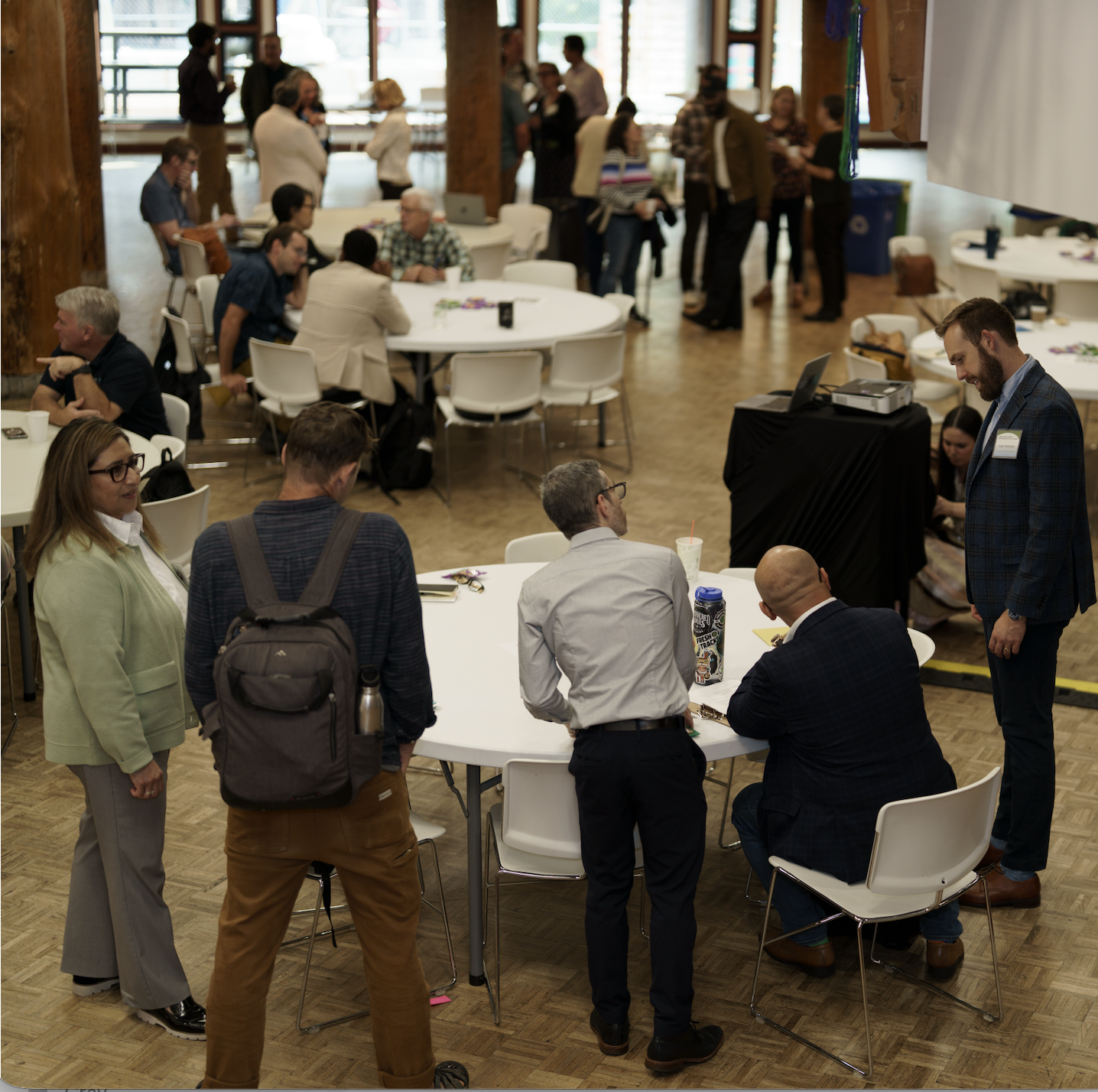
In September 2025, OPP brought together more than fifty program and nonprofit leaders, advocates, funders, and state officials for insight-sharing and connection at Daybreak Star Cultural Center in Seattle, Washington. This convening helped create a space for much-needed dialogue and mutual-understanding, including naming needs for the sector including a unified vision and a backbone group or organization to advance the work.
And this past July, OPP convened together a smaller group of leaders in the field to help clarify a vision for the field and align around common goals. Together, this group agreed on a shared vision for a future where aligned policies, streamlined funding, and a unified voice guide action, as well as produced concrete outcomes for continued collaboration and discrete, coordinated action.
The Mechanics of Silo-Breaking
Just as the human brain is capable of breaking old pathways and creating new ones thanks to neuroplasticity, silo-breaking is only possible when groups begin to break old habits and form new connections.
Bringing people together for conversation is just one piece of the puzzle. Encouraging people to stop relying on old ways of doing things– like developing a personal list of priorities and budget asks– and start collaborating is critical to success. And that success is only possible when certain conditions are met. In this case, that has meant that:
- Program leaders feel they have an outlet and a conduit to being in conversation with government;
- Agency staff and lawmakers have the ability to provide input and inform strategies to streamline requests and reduce overlapping priorities;
- And beyond financial contributions, Funders provide the knowledge and expertise to strengthen the work and measure impact before things are finalized.
To do this, we’ve had to rely on our organizational knowledge and strengths. NCEL has brought an understanding of how policymakers respond to asks and help build state budgets, and how state agencies deploy those budgets. Fresh Tracks has leveraged its insights on the ways that wellbeing goals can succeed or fall flat depending on how they’re embraced in both program and policy. And together, along with our other partners, we’ve drawn on a history of collaborating with funders to help ensure their voice and their power are balanced in the process.
Where to Go From Here?
We see this work as a model for helping catalyze conversation and change across the country. We believe that’s possible for two compelling reasons. Firstly, this template for convening and collaborating can be brought to states across the country, whether or not they have a strong grounding in an issue or they’re just beginning to pursue a shared strategy. And secondly, this sort of silo-breaking approach can be deployed in very, very different spaces and on unrelated issues; it’s ultimately about the process, not the program, policy, or funding goals.
We’re excited to share the successes, lessons learned, and insights we’ve gained from our work in Washington and beyond. And most importantly, we’re looking forward to continuing to bring together unlikely allies in the quest to catalyze long-lasting change, one state at a time.
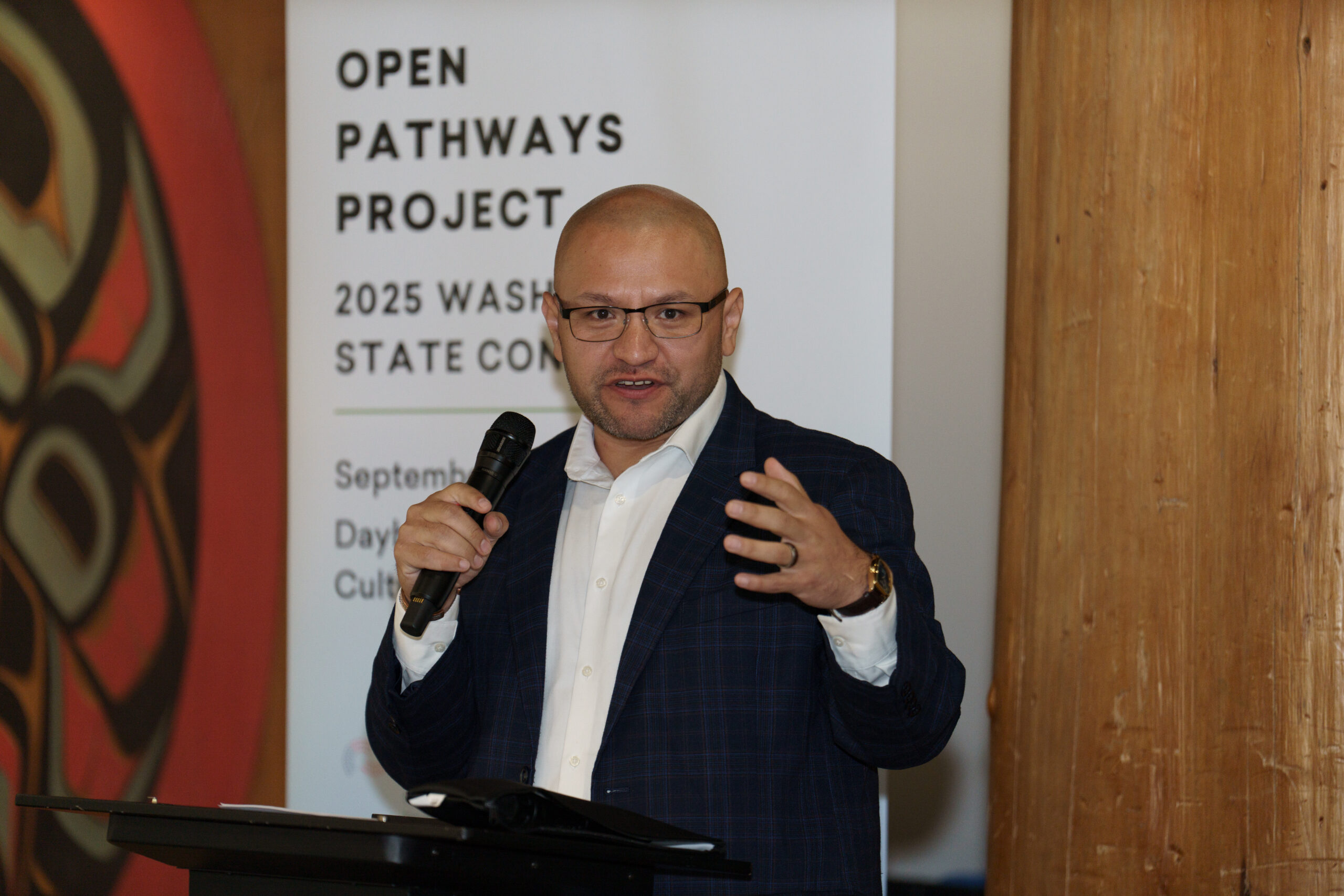
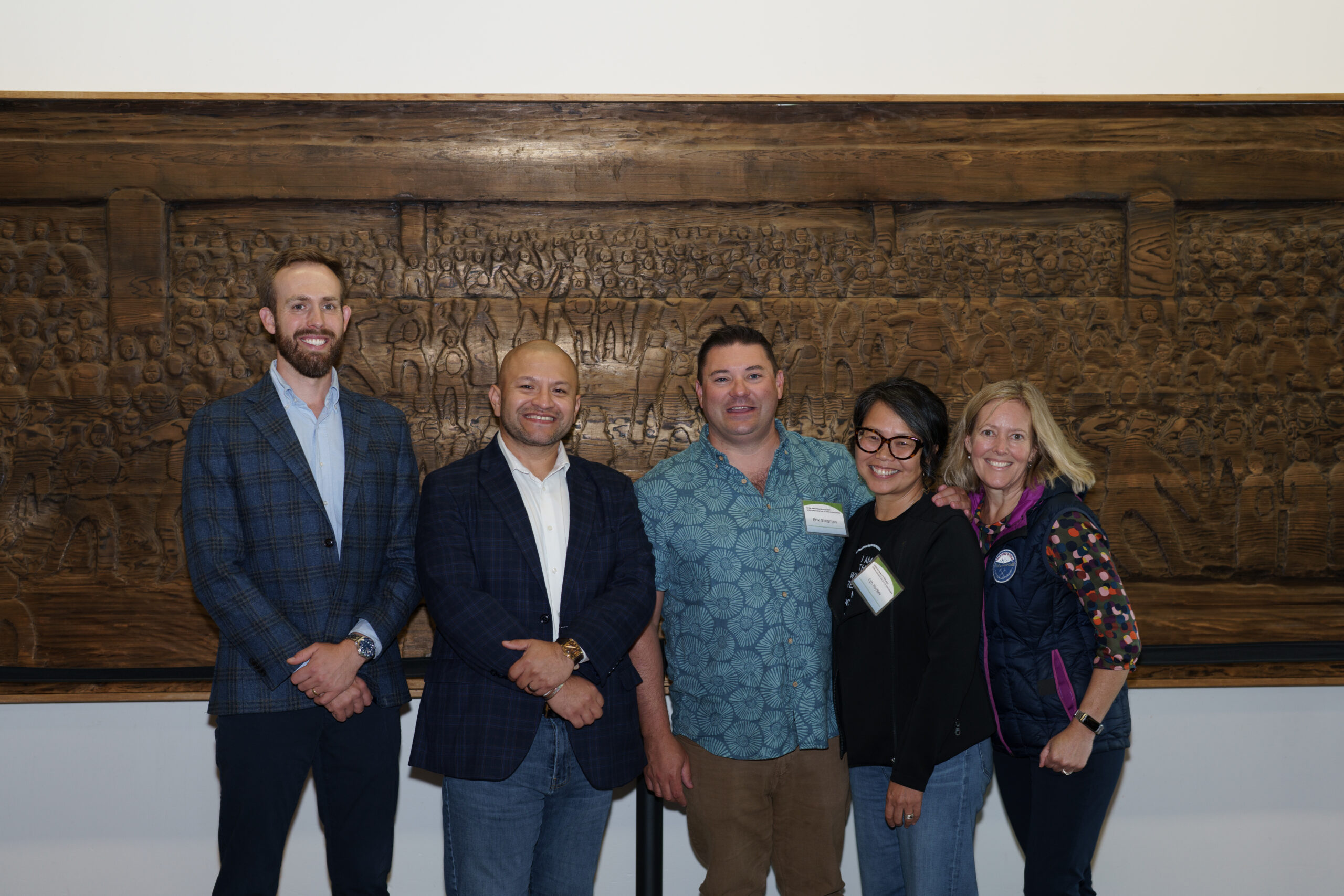
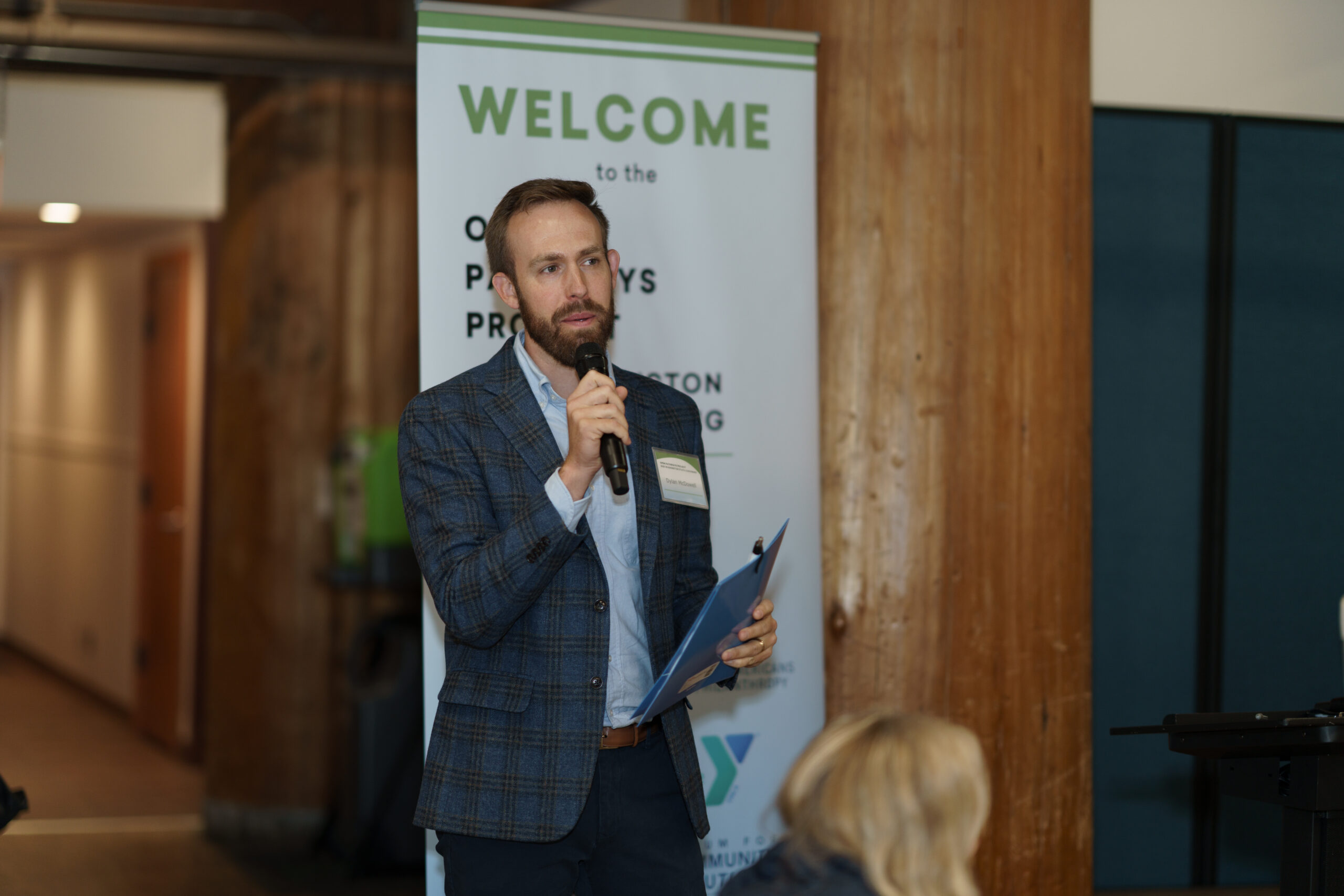
Moments from the Open Pathways Project 2025 Seattle Washington Convening PC PhotoYari
About NCEL and Fresh Tracks
The National Caucus of Environmental Legislators’ mission is to empower a nonpartisan network of legislative champions to protect, conserve, and improve the natural and human environment. NCEL’s vision is state leadership that advances a clean and healthy environment for all.
Fresh Tracks, a program of the Aspen Institute, uses the healing power of culture and the outdoors to uplift community wellbeing by focusing on culture, place, and generations. Fresh Tracks believes that thriving communities are built through relationships across generations, cultures, and sectors. By creating spaces for collaboration and shared learning, we support communities as they define their own pathways toward wellbeing, resilience, and opportunity.